Steel fabrication in Chicago, IL, is priced by a handful of drivers rather than a single rate. Understanding those drivers helps contractors, developers, and facility managers compare quotes fairly and plan budgets with fewer surprises. We work with teams across the Chicago area every day and have seen firsthand how project scope, material choice, and site conditions shape the final number. This article explains the main cost factors and how each one affects a structural project, so you can walk into your next bid conversation prepared. Call
(630) 238-8383 to discuss your project with our team before you request a quote.
Why Project Costs Vary From One Build to Another
A fabrication quote reflects the amount of steel, the complexity of each piece, and the work needed to get pieces to the job site. Two projects of the same size can produce very different quotes if one uses standard members and the other uses custom profiles. Clear drawings and complete specifications make it easier for us to estimate accurately.
How Engineering Drawings Shape the Quote
Drawings set the scope of every estimate. A complete set shows member sizes, connection details, and any notes on finish or coating. When drawings change after an estimate is prepared, we may need to revise the quote, which is why a final revision date is worth confirming before work begins.
Steel Grade and Material Selection
Steel grade affects both the material cost and the handling required in the shop. Higher-strength grades can reduce member size in some designs, but they can cost more per ton and may require more careful welding procedures. Our engineers and fabricators usually confirm the grade early so material is not reordered later.
Member Count and Piece Size
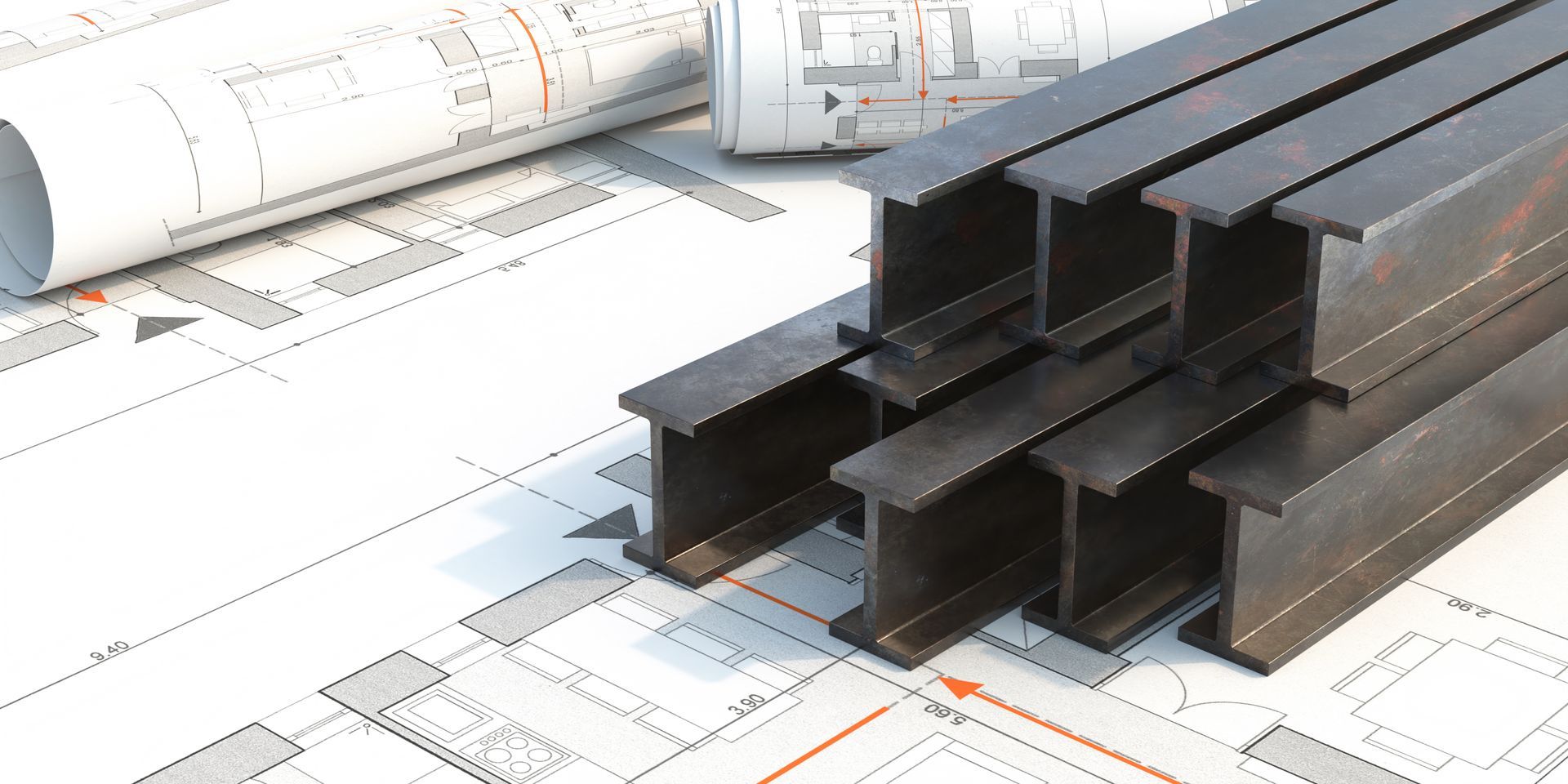
Every piece that is cut, drilled, and fitted takes shop time. A project with many small members can take longer than one with fewer large members, even when the total weight is similar. Piece size also affects shipping and handling, because oversized members may need special routing or lifting equipment on arrival.
Connection Detail and Welding
Connections are where much of the shop labor happens. Bolted, welded, and moment connections each require different steps, inspection, and sequencing. Simple, repeated connection details are generally easier to fabricate efficiently than one-off details.
Common Connection Types That Affect Labor
- Shear tab connections are often faster to fabricate than moment connections.
- Welded connections need fit-up time, welding, and inspection.
- Bolted connections need accurate hole layout and drilling.
Custom Work Versus Standard Members
Standard structural members follow engineered drawings and common sizes, which keeps fabrication predictable. Custom work, such as unusual architectural profiles or tenant-specific modifications, usually needs more design coordination and shop setup time. Projects that combine both types often benefit from a clear plan showing which pieces are custom.
Shop Work Versus Field Work
Shop work happens under controlled conditions, which generally produces consistent results. Field work, such as adjusting connections on an existing building addition, can take longer and may require extra crew time. Deciding early which tasks happen in the shop helps keep the budget stable.
Delivery, Erection, and Coordination
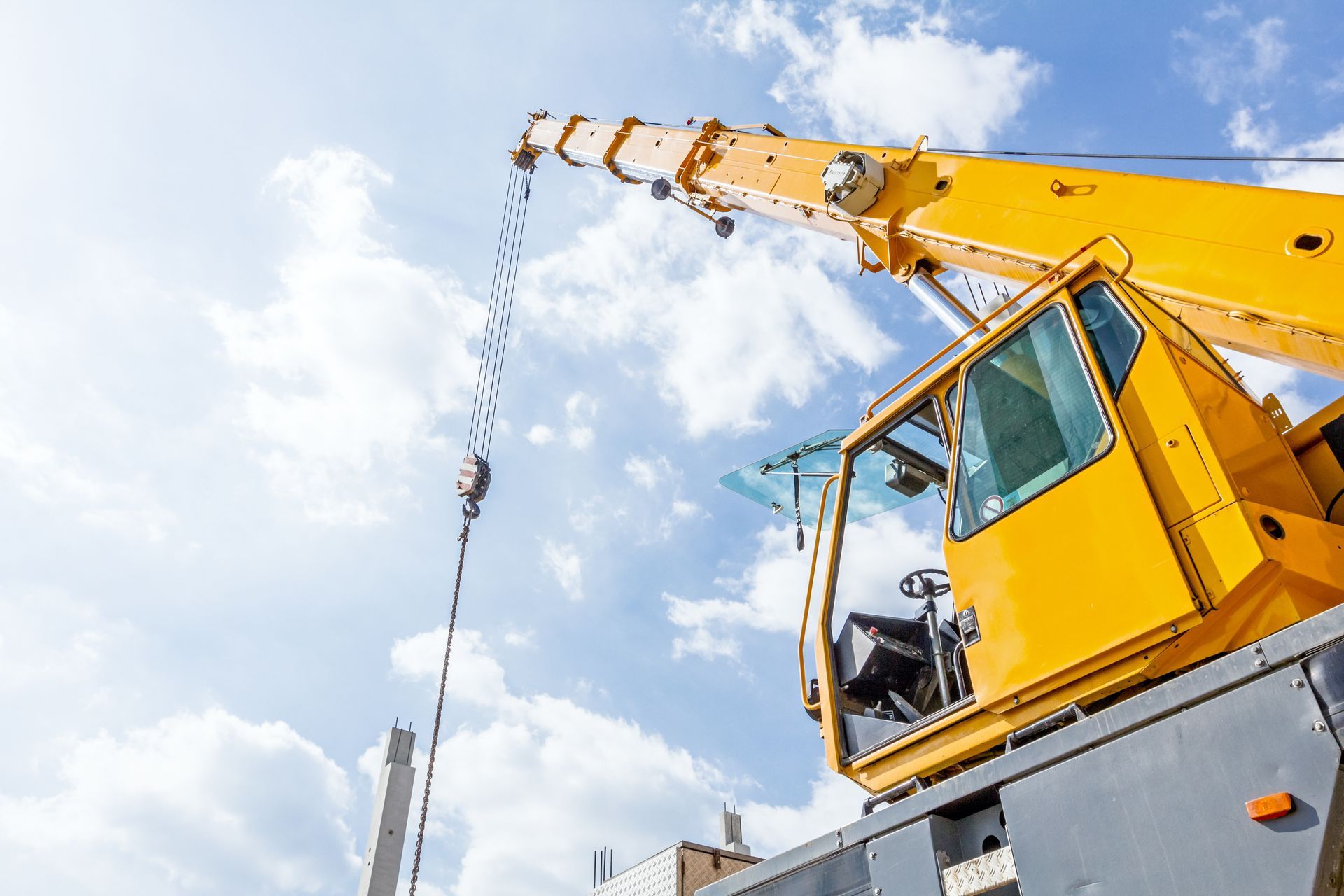
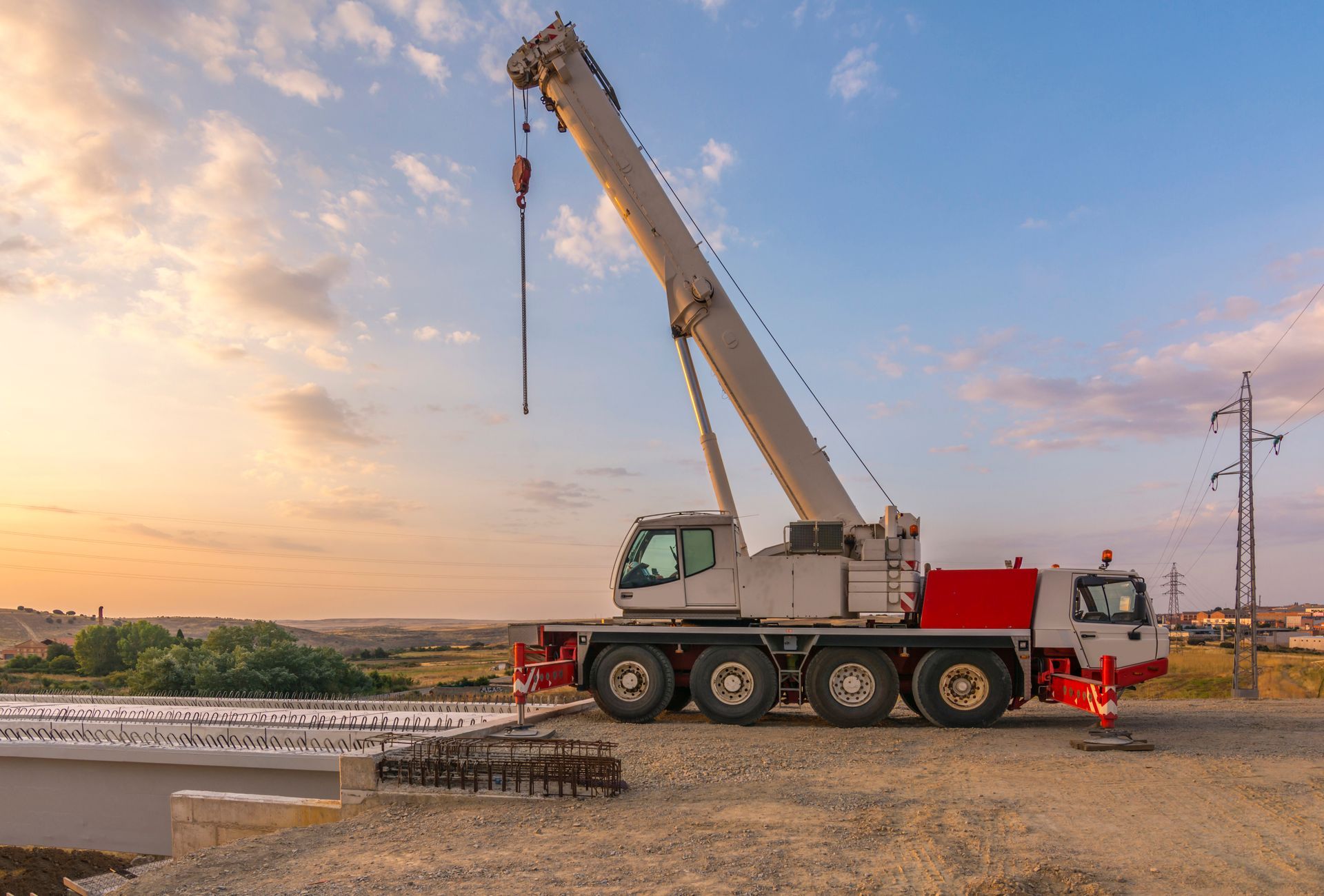
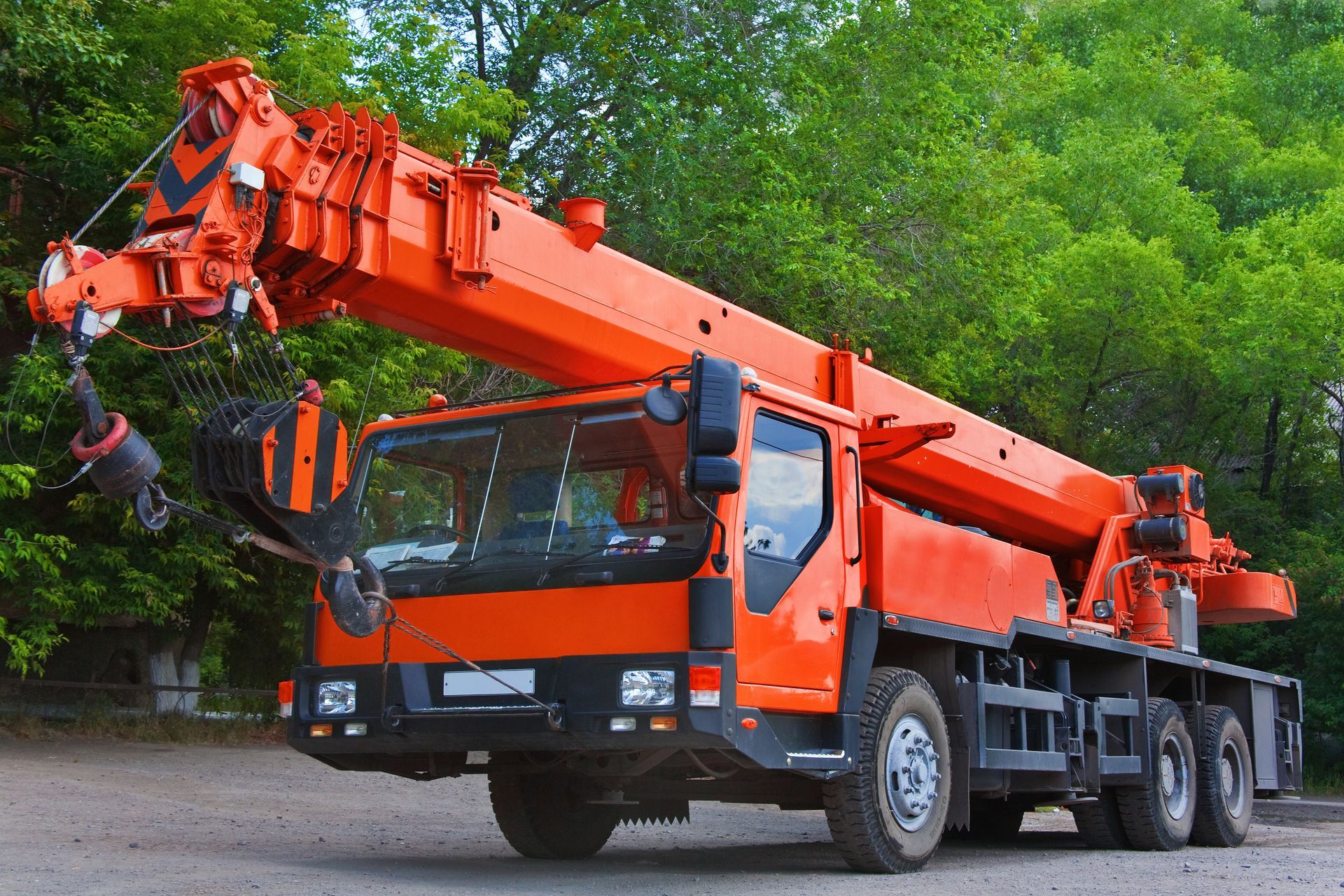
Delivery timing and erection sequencing can add cost if they are not planned together. We coordinate shop output with the erection schedule to reduce idle crews and storage needs on a crowded site. Chicago job sites often have limited staging space, so delivery windows deserve attention in the budget.
Local Chicago Factors to Plan For
Urban and suburban sites in Chicago, IL, can differ widely in access, staging room, and permit steps. A project in a dense area may need tighter delivery windows, while a site with open ground may allow larger staging areas. Planning these conditions early helps the estimate reflect how the work will actually be done. A steel fabrication schedule that accounts for site access and permit timing is usually more reliable than one built from the drawings alone. Asking us to walk through these factors before the estimate is issued gives you a clearer picture of the final cost.
What to Ask Before Requesting a Quote
Clear questions help separate a complete quote from a partial one. Ask us which drawings your estimate is based on and whether connections are included. Ask us how we handle delivery, erection, and permitting coordination, and what changes would trigger a revised estimate.
Fabrication Services Serving Chicago, IL
We provide steel fabrication services for Chicago, IL, projects, handling both shop and field work. As a single provider, we reduce coordination gaps between fabrication and erection. Our local experience with Chicago job-site conditions also helps us set realistic schedules. When you compare bids, look for a fabricator that explains each line item and states what the price includes, so the comparison stays fair and transparent.
Plan Your Budget With an Expert
At Floyd Steel Erectors Inc., we provide steel fabrication for commercial, industrial, and institutional projects, serving Chicago, IL, from our base in Wood Dale, IL. Our team can review drawings, walk through connection and grade decisions, and explain every factor that shapes a quote before work begins, so there are no surprises once fabrication starts.
You can also view our reputation and customer feedback by visiting our
Google Business Profile to see why Chicago-area contractors and developers trust us for their structural steel needs. Call us today at
(630) 238-8383 or
send us a message to get started.